Preparing Your Roof for Winter: Essential Fall Maintenance Tips

October 16, 2024

Do you know how important fall roof maintenance is. As winter comes, your roof protects your home from bad weather. Let's see why fall is the best time to get your roof ready and how it can save you money.
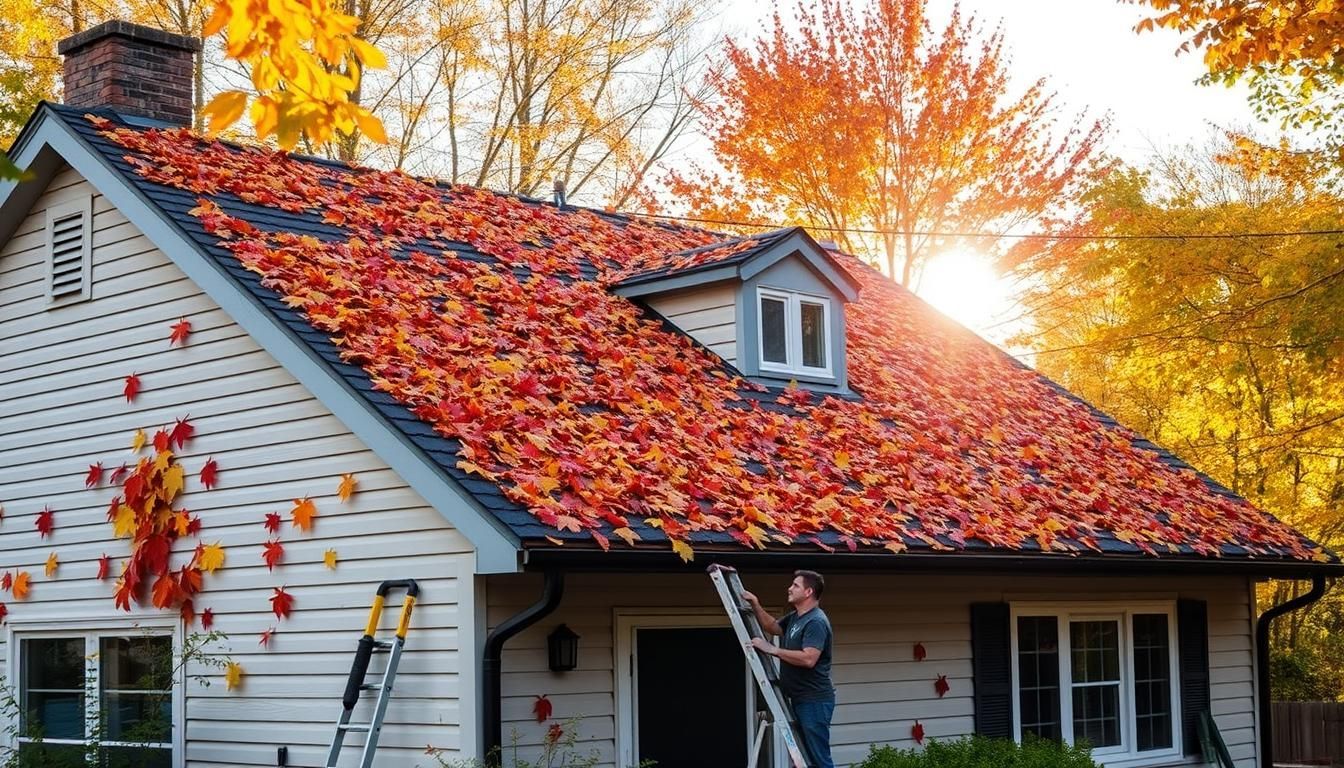
Fall brings cool air and beautiful leaves, but it also means your roof needs care. By doing maintenance now, you prevent costly repairs later. A well-kept roof can handle winter's tough weather, keeping your home safe and your wallet happy.

Roofing companies like Ark Covering & Restoration offer free checks, helping you find problems early. Whether you need a new roof or small fixes, fall is the best time to get expert advice.


Fall roof maintenance is more than just cleaning gutters. It includes checking for loose shingles, making sure your attic breathes, and cutting back branches. These steps stop water damage, mold, and even structural problems from heavy snow.


Key Takeaways

  • Regular gutter cleaning prevents water backup issues
  • Proper attic ventilation is crucial for roof health
  • Professional inspections can save money on future repairs
  • Check for and replace loose or missing shingles
  • Trim surrounding trees to prevent branch-related damage
  • Consider professional services for comprehensive maintenance


The Importance of Fall Roof Maintenance

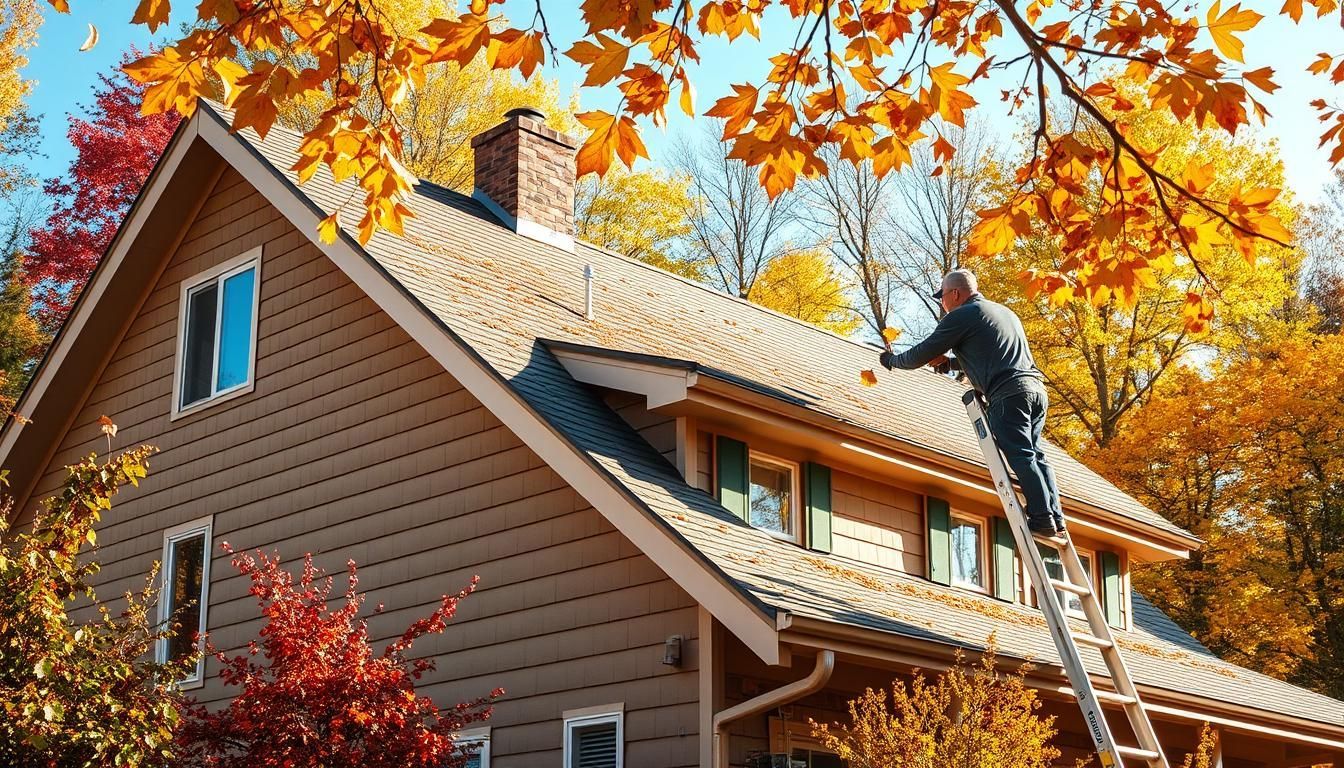
Fall maintenance keeps your home safe from winter's harshness. Clearing debris stops moisture and algae. Trimming branches avoids punctures and expensive fixes.
Extending the Lifespan of Your Roof

Annual fall checks can make your roof last longer. Look for dark spots, cracked shingles, or too many granules in gutters. Fixing these early stops winter problems.

Good attic ventilation stops mold and ice dams. This is key for a healthy roof.


Preventing Costly Repairs

Fall maintenance catches small issues before they grow. Secure loose nails, replace missing shingles, and clean gutters. This stops water damage and leaks.

Act fast after a storm to avoid high repair costs. Don't miss the claim filing deadline. A pro inspection ensures your roof is ready for winter.


Essential Roof Inspection Checklist
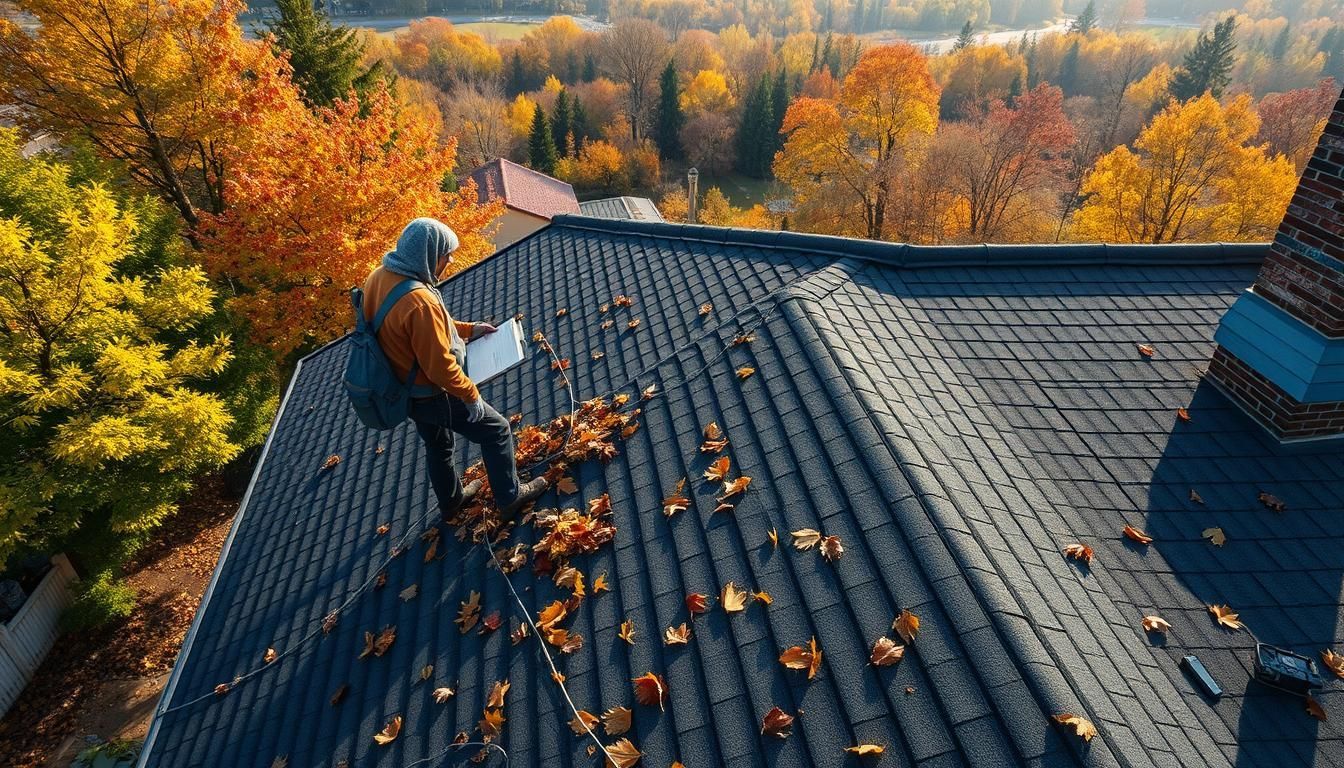
A thorough roof inspection is key to keeping your home safe. Your checklist should cover important areas for a detailed roof damage assessment. First, check shingles for wear, cracks, or missing pieces. These can cause water damage and expensive fixes later.


Then, look at the flashing around chimneys, vents, and skylights. These spots are often leaky and need extra care. Check for gaps or worn-out sealant. Also, make sure gutters and downspouts drain well and clear any blockages.


Here's a quick checklist for your roof inspection:

  • Examine shingles for damage or wear
  • Check flashing around chimneys and vents
  • Inspect gutters and downspouts
  • Look for signs of leaks or water damage
  • Assess the condition of roof valleys


If you're not sure about inspecting your roof, get a professional to do it. Experts have the right tools and know-how to find hidden problems. They can give you a detailed report and suggest repairs or upkeep.

Regular roof checks can make your roof last longer and save you money. Catching small issues early helps protect your home from winter weather and storm damage.


Cleaning and Maintaining Gutters and Downspouts

Your roof drainage system is key to keeping your home safe. Regular gutter care stops water damage and keeps your roof lasting longer. Let's look at important steps to keep your gutters working right.


Removing Debris and Leaves

Cleaning your gutters twice a year is a must. Do it in mid-fall and spring. Get rid of leaves, twigs, and other stuff to avoid clogs. This simple step can save you from expensive fixes later.

Ignoring your gutters can cause water damage in your attic, around windows, and on ceilings.


Checking for Proper Drainage

After cleaning out debris, rinse your gutters and downspouts with water. This checks if they're flowing right. Remember, clogged gutters can cause ice dams in winter, lifting shingles and letting water into your home. They can also cause foundation problems and attract pests.


Installing Gutter Guards

Think about getting gutter guards to cut down on cleaning. They don't make maintenance unnecessary, but they help a lot. Gutter guards can make your gutters last up to 20 years with the right care.

Trimming branches near your roof also helps keep your gutters clean. After big storms, check your roof drainage system for damage or clogs. Regular gutter care protects your home from water damage and keeps your roof in great shape for years.


Addressing Storm Damage Repair and Prevention

Storms can cause a lot of damage to your home, especially your roof. It's important to know how to fix storm damage and prevent it. Every year, storms damage about $10 billion worth of property in the US. So, it's key to take steps to protect your home.


Checking your roof regularly is a big help in avoiding storm damage. Look for missing shingles, hail dents, or any wear. Also, trim branches that hang over your roof to avoid debris damage in strong winds. These actions can help a lot in avoiding costly repairs.


Think about getting impact-resistant shingles if you live in a storm-prone area. This can help protect your roof from hail and strong winds. It might save you a lot of money on repairs later on.

  • Inspect your roof after every major storm
  • Address minor issues promptly to prevent bigger problems
  • Install storm shutters or impact-resistant windows
  • Create an emergency plan for your family
  • Review your insurance coverage for storm-related damages


If your home gets damaged in a storm, act fast. Quick action to stop water damage is important to avoid mold and structural problems. Call a roofing expert, like Ark Covering & Restoration, who specializes in storm damage for a detailed check and repairs. Remember, quick action is crucial to keep your home safe and its value intact.


Conclusion: Ensuring a Winter-Ready Roof

Fall roof maintenance tips are key for a winter-ready roof. By following this guide, you can protect your home from harsh winter weather. Regular checks help find problems early, saving you from expensive fixes later.


A well-kept roof is essential for its longevity and your home's safety. It helps keep your home strong and secure.

Don't forget about clean gutters and downspouts. Clogged ones can cause ice dams and water damage. Installing gutter guards helps keep debris out and ensures water flows right.


By focusing on fall roof maintenance and winter prep, you're not just protecting your home. You're also investing in its long life and your family's comfort and safety. Start now for a worry-free winter under a secure roof.
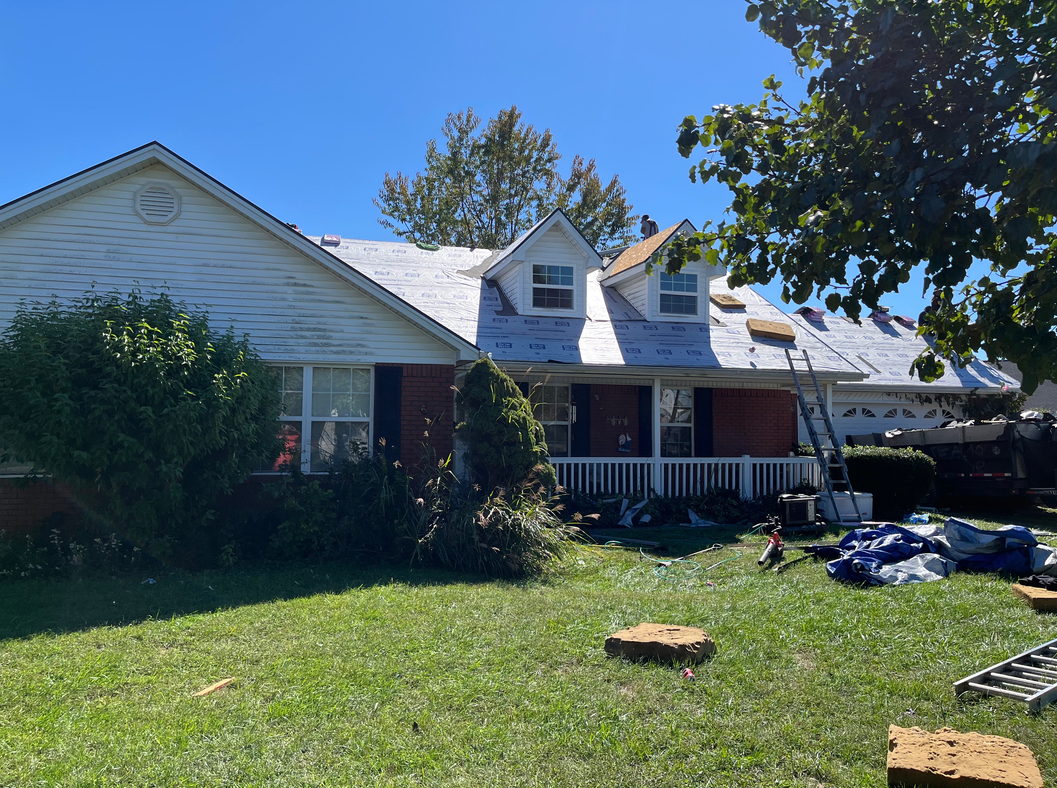
Four people in red shirts pose on a lawn in front of a brick building with roofers working above.
April 25, 2026
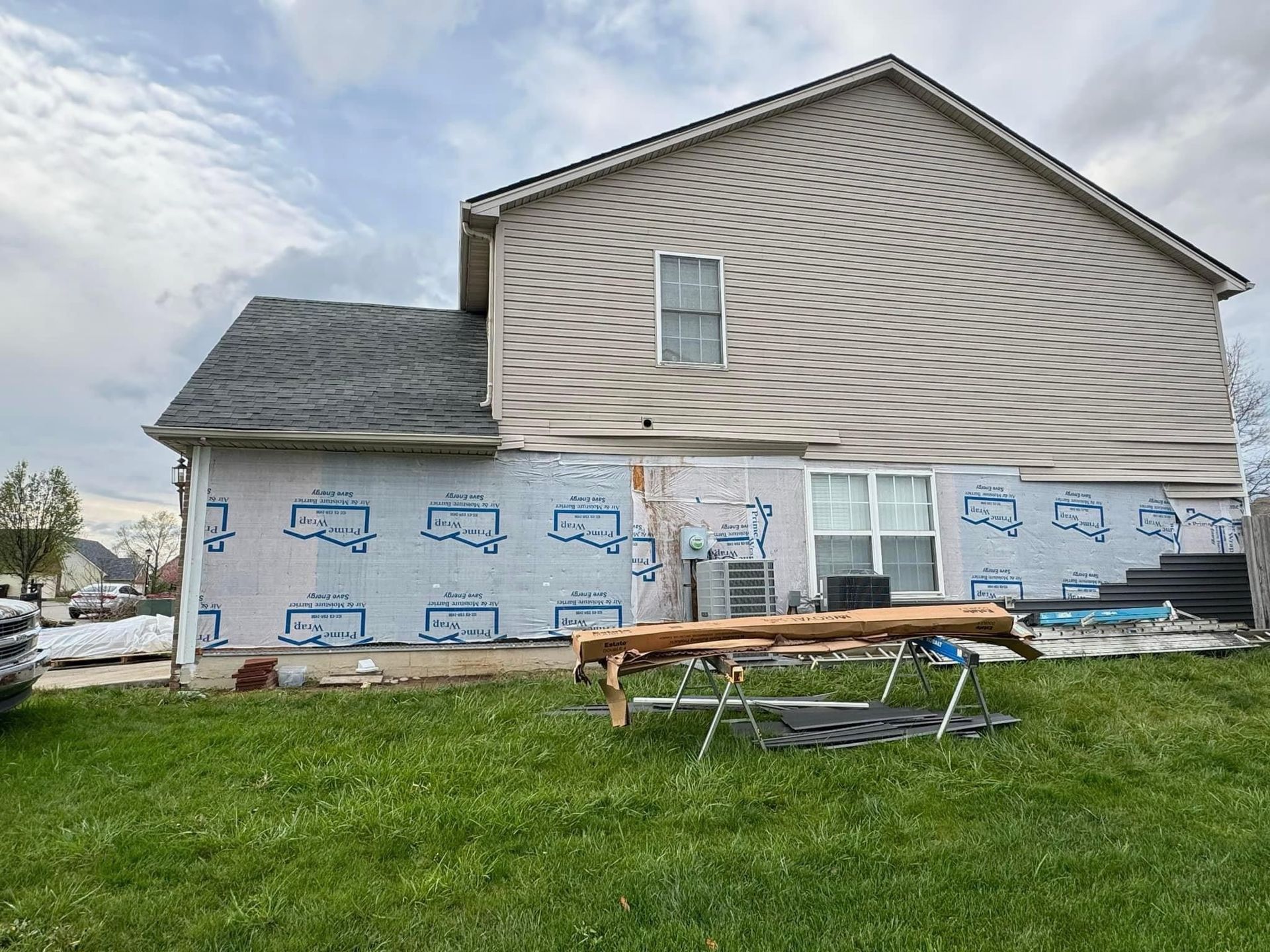
Replacing a roof is a significant undertaking that can be daunting for many homeowners. Understanding the roof replacement process, especially after storm damage, is crucial for ensuring a smooth experience. This comprehensive guide will walk you through what to expect during your roof replacement, including the inspection process, navigating insurance claims, and tips for maximizing your benefits. Many homeowners face challenges when dealing with insurance companies and contractors, but being informed can help alleviate these concerns. We will cover the storm damage inspection process, the steps involved in roof replacement, and how to effectively work with your insurance provider. Storm Damage Inspection Process The storm damage inspection process is essential for assessing the extent of damage to your roof. This process typically begins with an initial assessment of visible damage, which is crucial for determining the next steps. A professional inspection is vital, as it ensures that all damage is documented accurately for insurance claims. Homeowners should be aware that thorough documentation is necessary to support their claims and facilitate the repair process. Navigating Insurance Claims Navigating insurance claims after storm damage can be complex, but understanding the steps involved can simplify the process. Here are the key steps to effectively manage your insurance claim: Documenting Damage : Take clear photographs of all visible damage to your roof and property. Understanding Your Insurance Policy : Familiarize yourself with your policy's coverage details, including deductibles and limits. Filing a Claim : Contact your insurance company to report the damage and initiate the claims process. By following these steps, homeowners can ensure they are well-prepared to work with their insurance providers. For those seeking assistance with roof inspections and claims, professional roofing contractors can provide valuable support. They can help document damage and communicate effectively with insurance companies, ensuring that you receive the benefits you are entitled to. What to Expect During Roof Replacement The roof replacement process involves several critical steps that homeowners should be aware of. Initially, you will have a consultation with your roofing contractor to discuss your needs and preferences. This is followed by selecting the appropriate materials for your new roof, which can significantly impact both aesthetics and durability. Finally, a final walkthrough will be conducted to ensure that the work meets your expectations. How Does a Roof Inspection After Storm Damage Work? A roof inspection after storm damage typically involves a visual examination of the roof's exterior and interior. Inspectors will look for signs of damage, such as missing or damaged shingles, leaks, and structural issues. Specialized tools may be used to assess the condition of the roof more thoroughly. The findings from this inspection are documented to support any necessary repairs and insurance claims. What Are the Key Signs of Storm Damage to Look For? Homeowners should be vigilant for several key signs of storm damage, including: Missing or Damaged Shingles : Look for shingles that are cracked, curled, or completely missing. Water Intrusion Signs : Check for water stains on ceilings or walls, indicating potential leaks. Granules in Gutters : The presence of shingle granules in gutters can indicate significant wear and tear. Recognizing these signs early can help prevent further damage and facilitate timely repairs. How Do Roofing Contractors Conduct a Thorough Roof Inspection? Roofing contractors conduct thorough inspections by following a systematic approach. They begin with a visual examination of the roof's surface, looking for any visible signs of damage. This is often followed by a detailed assessment of the roof's structure, including the underlayment and flashing. Documentation of findings is crucial, as it provides a basis for any necessary repairs and supports insurance claims. What Are the Step-by-Step Processes Involved in Roof Replacement? The roof replacement process can be broken down into several key steps: Initial Consultation : Discuss your needs and preferences with your contractor. Material Selection : Choose roofing materials that suit your style and budget. Preparation : The area around your home will be prepared for the replacement process. Installation : The old roof is removed, and the new roof is installed according to industry standards. Final Walkthrough : A final inspection ensures that the work meets your expectations. Understanding these steps can help homeowners feel more confident throughout the replacement process. How Can Homeowners Work Effectively with Insurance Companies for Roof Replacement Claims? Effective communication with insurance companies is essential for homeowners seeking roof replacement claims. Here are some guidelines to follow: Proactive Communication : Keep in touch with your insurance adjuster and provide any requested documentation promptly. Organized Documentation : Maintain a file of all correspondence, photographs, and inspection reports related to your claim. Understanding Policy Coverage : Be clear about what your policy covers and any limitations that may apply. By following these guidelines, homeowners can navigate the claims process more effectively. What Is Covered by Insurance After Storm Damage? Insurance coverage for storm damage can vary significantly based on the policy. Generally, most homeowners' insurance policies cover: Repair Costs : The cost to repair or replace damaged roofing materials. Additional Living Expenses : If your home is uninhabitable during repairs, some policies cover temporary living expenses. Debris Removal : Costs associated with removing debris from your property after a storm. Reviewing your policy and understanding what is covered can help you maximize your benefits. How Do You File and Track a Roof Damage Insurance Claim? Filing and tracking a roof damage insurance claim involves several steps: Assessing Damage : Conduct a thorough assessment of the damage to your roof. Contacting Your Insurance Company : Report the damage and provide necessary documentation. Obtaining Repair Estimates : Get estimates from qualified roofing contractors to support your claim. By following these steps, homeowners can ensure that their claims are processed efficiently. How to Choose the Right Roofing Contractor Near Me for Your Roof Replacement? Choosing the right roofing contractor is crucial for a successful roof replacement. Here are some tips to consider: Checking Licensing and Insurance : Ensure the contractor is licensed and insured to protect yourself from liability. Evaluating Experience : Look for contractors with a proven track record in roof replacement. Reviewing Customer Feedback : Read reviews and testimonials from previous clients to gauge the contractor's reliability. Taking the time to choose the right contractor can lead to a smoother replacement process. What Credentials and Experience Should a Licensed Roofing Contractor Have? Licensing and Insurance : Verify that the contractor holds the necessary licenses and insurance coverage. Experience with Specific Materials : Ensure the contractor has experience working with the materials you have chosen for your roof. References from Past Clients : Request references to assess the contractor's quality of work and customer service. These credentials are essential for ensuring that your roof replacement is handled professionally. Further research highlights the critical role of these regulatory requirements in the construction industry, particularly concerning licensing, insurance, and permitting. Contractor Regulations, Licensing, and Permitting for Roofers This senior project researches the impact of regulatory requirements, specifically licensing, insurance, bonding, and permitting, on contractors in California. The study addresses the question: How do regulations affect contractors’ ability to operate and grow? To examine this, qualitative interviews were conducted with six industry professionals, including general contractors, specialty contractors, and design-build firms. Additionally, 25 survey responses were collected from contractors and construction professionals to gain broader insights. The findings reveal that while licensing, insurance, and bonding are seen as foundational for establishing credibility and legal compliance, the permitting process presents the most significant challenge. Respondents consistently described permitting as overly complex, inconsistent between jurisdictions, and a frequent cause of project delays. Many emphasized the need for a more efficient, transparent, and standardized permitting How Regulations Impact Contractors in California: Licensing, Insurance, Bonding & Permitting, 1989 How to Evaluate Contractor Warranties and Customer Reviews? Evaluating contractor warranties and customer reviews is vital for making an informed decision. Here are some factors to consider: Understanding Warranty Terms : Review the warranty details, including coverage duration and what is included. Checking Customer Reviews : Look for consistent feedback regarding the contractor's reliability and quality of work. Assessing Contractor Reliability : Consider the contractor's reputation in the community and their history of completing projects on time. By carefully evaluating these factors, homeowners can choose a contractor who meets their needs. What Are the Typical Roof Replacement Costs and Financing Options? The cost of roof replacement can vary widely based on several factors, including the size of the roof, materials used, and labor costs. Homeowners should expect to pay anywhere from $5,000 to $30,000 for a complete roof replacement, depending on these variables. How Do Storm Damage and Material Choices Affect Roof Replacement Cost? Storm damage and material choices significantly impact the overall cost of roof replacement. The extent of the damage will determine the necessary repairs, while the choice of materials can influence both the initial cost and long-term durability. Homeowners should consider investing in high-quality materials that offer better protection and longevity, potentially saving money in the long run. What Financing Solutions Are Available for Homeowners? Homeowners looking to finance their roof replacement have several options available: Home Equity Loans : These loans allow homeowners to borrow against the equity in their home. Personal Loans : Unsecured personal loans can provide the necessary funds for roof replacement. Insurance Claims : Utilizing insurance benefits can help cover a significant portion of the costs. Exploring these financing solutions can help homeowners manage the financial aspects of their roof replacement effectively.
March 19, 2026
Storm Damage and Shingle Roofing in Richmond KY: Essential Guide for Homeowners on Inspection, Repair, and Insurance Claims